The Zenith of Travel: The World’s Top 3 Astrotourism Destinations.
In 2026, the sky is no longer the limit—it’s the destination. We’ve analyzed atmospheric clarity, infrastructure, and light pollution to bring you the definitive list of the three countries leading the celestial revolution.
What Makes a World-Class Astro-Destination?
We don’t just look for darkness. For an event to be successful, a destination must meet the Triple-S Standard:
- Sky Quality: Measured by the Bortle Scale and the number of clear nights per year.
- Science: Proximity to professional-grade observatories and expert astronomers.
- Sophistication: The ability to host luxury MICE groups with high-end transport and lodging.
01. Chile – The World’s Window to the Universe.
- The Vibe: High-altitude, hyper-dry, and scientifically supreme.
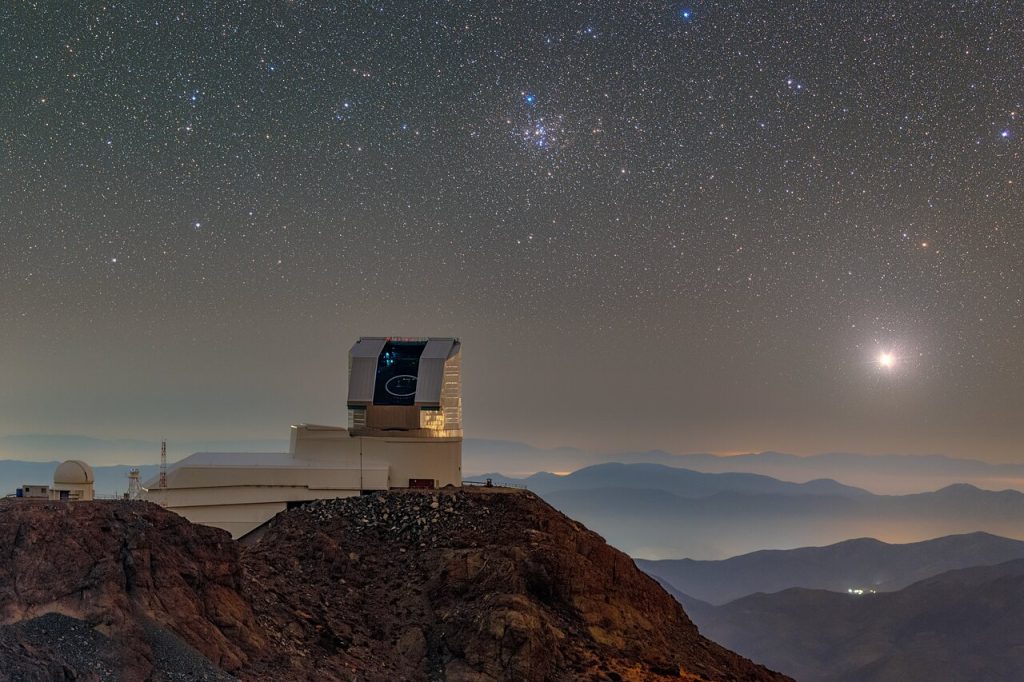
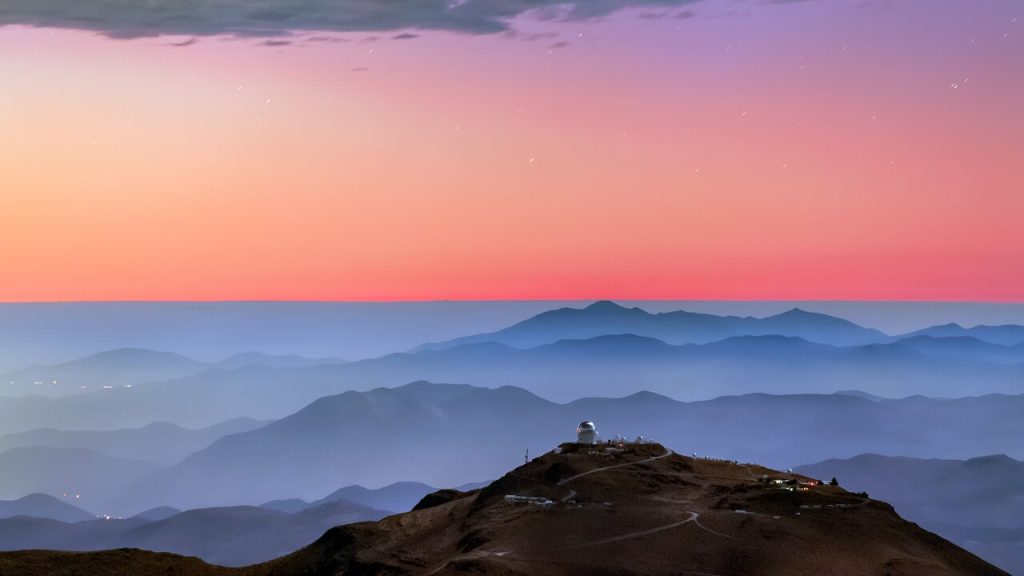
- Why it’s #1: Chile holds the "Crown of the South." With the Coquimbo region offering over 300 clear nights a year, it is the most reliable place on Earth for stargazing.
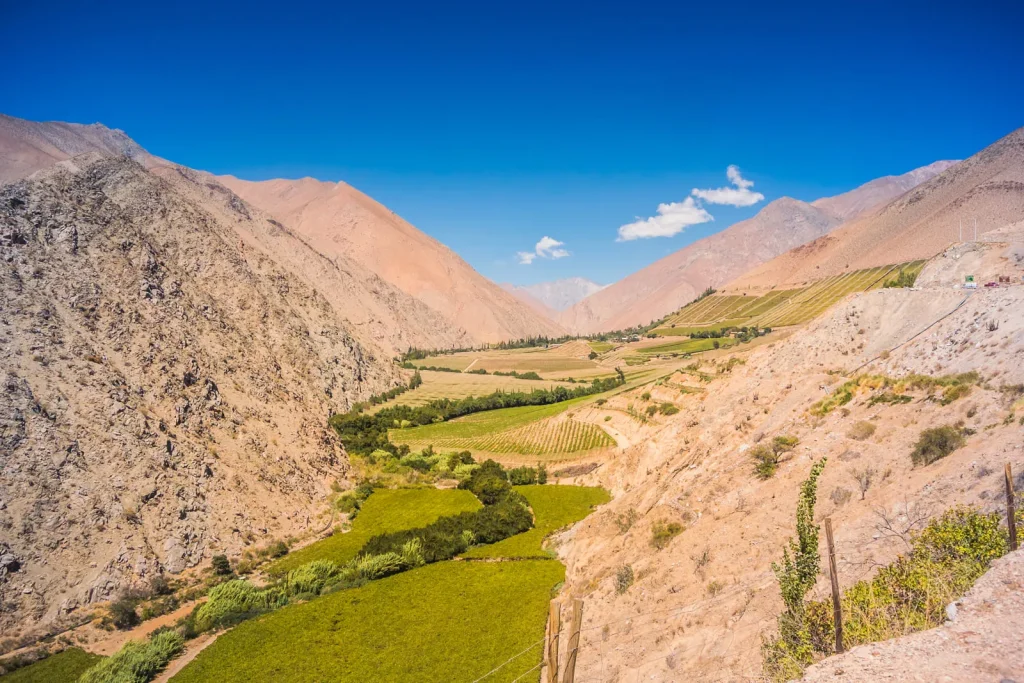
- MICE Highlight: Private "Star-B-Qs" in the Elqui Valley and exclusive access to the world's most powerful research telescopes.
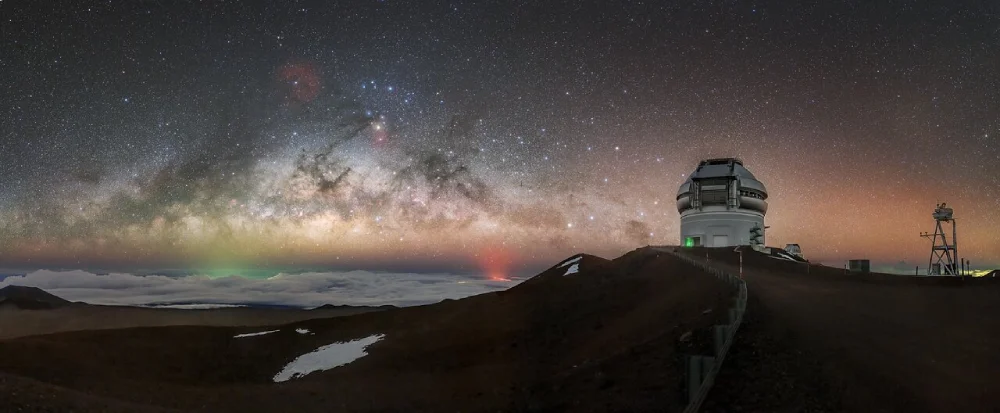
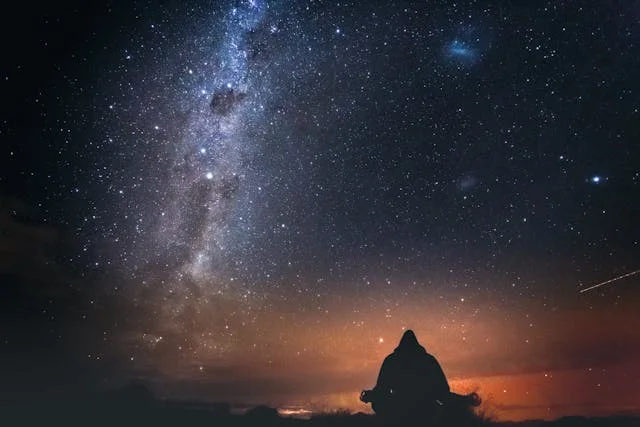
- The View: The Galactic Center of the Milky Way, which sits directly overhead, providing a brightness and detail found nowhere in the Northern Hemisphere.
02. Spain – The Cultural Crossroads of the Sky.
- The Vibe: Mediterranean luxury meets "Starlight" certified preservation.
- Why it’s #2: 2026 is the Year of Spain. With a Total Solar Eclipse sweeping across the north of the country on August 12, Spain has invested heavily in "Astro-Hotels" and celestial wine tourism in regions like La Rioja and the Canary Islands.
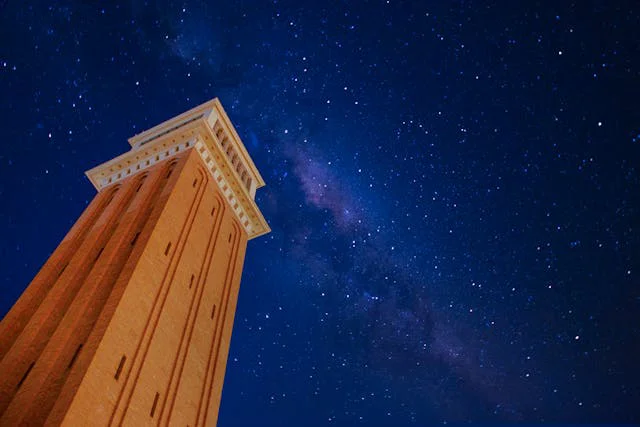
- MICE Highlight: Integrating world-class gastronomy and historic architecture with state-of-the-art planetariums.
03. New Zealand – The Storyteller’s Sky.
- The Vibe: Pristine, spiritual, and deeply immersive.
- Why it’s #3: New Zealand is the world leader in "Ethno-astronomy." Through the protection of the Aoraki Mackenzie Dark Sky Reserve, they have preserved the Māori relationship with the stars.
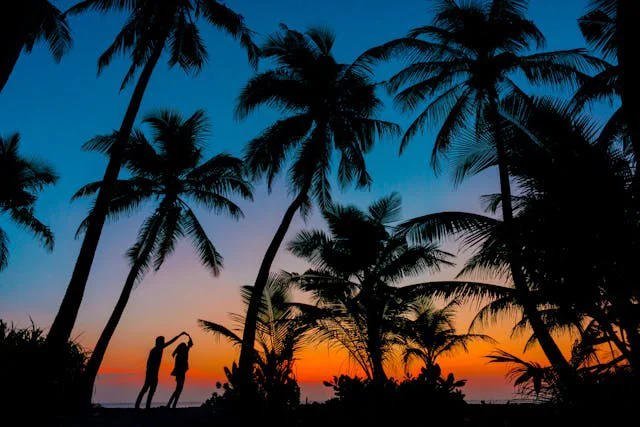
- MICE Highlight: "Star-bathing" in thermal pools and luxury lodge retreats that focus on mental clarity and ancestral wisdom.
Honorable Mention: The United States.
While not in the top three for 2026 “niche exclusivity,” the USA is the global powerhouse of accessibility.
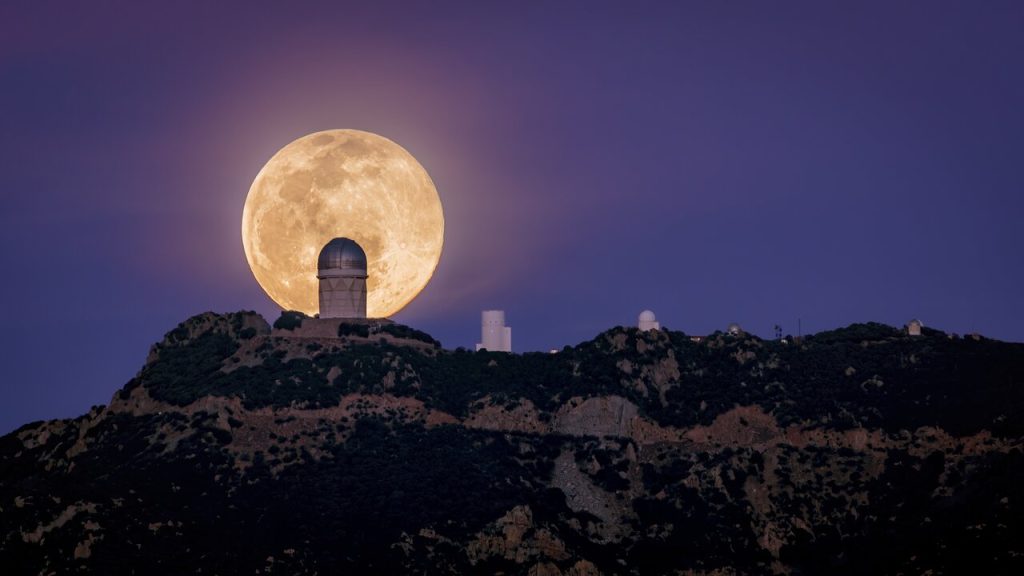
- The Hubs: The "Grand Circle" of Utah and Arizona contains the highest density of Dark Sky Parks in the world. From the edge of the Grand Canyon to the volcanic peaks of Mauna Kea in Hawaii, the USA offers massive scale.
- The MICE Factor: For planners requiring massive convention centers (Las Vegas, Tucson, Phoenix) with easy "Astro-Excursions" just an hour away, the USA remains a logistical titan.
Comparison Table
| Feature | Chile (Global Winner) | Spain | New Zealand | USA (Honorable Mention) |
|---|---|---|---|---|
| Annual Clear Nights | 300+ (Atmospheric Peak) | 220+ | 180+ | 250+ (Desert Regions) |
| Primary Galactic Draw | Milky Way Core & Southern Cross | 2026 Total Solar Eclipse | Māori Star Lore & Aurora Australis | Dark Sky National Parks |
| Infrastructure Focus | Scientific & High-End MICE | European Heritage & Gastro-Astro | Eco-Luxury & Wellness | Large Scale Logistics |
| Best Suited For | High-Impact Incentives | Eclipse Chasers & Corporate | Spiritual & Small Group Retreats | Massive Conventions |
Our Home, Your Advantage.
While we admire the global landscape, our heart is in the Coquimbo Region. As a DMC, we chose to base our operations in Chile because it is the only place where the quality of the sky never compromises.
We bridge the gap between Chile’s raw scientific power and the professional needs of the global MICE industry.
Global Astrotourism FAQs.
Can I see the same stars in Spain as I do in Chile?
No. The Southern Hemisphere (Chile/NZ) offers views of the Galactic Center and the Magellanic Clouds, which are completely invisible from the Northern Hemisphere (Spain/USA).
When is the best time for an Astro-event in 2026?
August for Spain (Eclipse), and October through March for Chile (Deep Summer clarity).
Why is the Southern Hemisphere (Chile/NZ) considered superior for Milky Way viewing compared to the Northern Hemisphere (Spain/USA)?
It comes down to “Galactic Geography.” The Southern Hemisphere faces the Galactic Center—the densest and brightest part of our galaxy. While the Northern Hemisphere sees the outer “arms” of the Milky Way, destinations like Chile and New Zealand offer a direct view into the heart of the cosmos. In the Elqui Valley, the Milky Way is so bright it can actually cast a visible shadow on the ground, a phenomenon almost impossible to witness in the North.
How do I choose between the 2026 Solar Eclipse in Spain and the year-round clarity of Chile?
It depends on your event’s goal. If you want a “one-moment” viral brand activation, the Total Solar Eclipse in Spain (August 12, 2026) is a once-in-a-lifetime opportunity. However, if your priority is reliability and ROI, Chile is the better bet. Spain’s eclipse lasts only minutes and depends on perfect weather that day; conversely, the Coquimbo Region in Chile offers a 90% guarantee of clear skies every night between October and March, ensuring your stargazing gala isn’t rained out.
Can a large-scale conference (500+ people) actually experience a "Dark Sky Sanctuary" without logistical chaos?
Absolutely, but it requires a “Hub and Spoke” model. At Ovitravel, we host the main convention in the coastal luxury hotels of La Serena, which have the necessary tech and room blocks. We then execute synchronized “Astro-Shuttles” to transport groups into the Elqui Valley. By using multiple “Starlight-certified” boutique vineyards simultaneously, we provide an intimate, VIP experience for 500+ people without overcrowding a single observatory.
Ready to Experience the World’s #1 Astro-Destination?
While the world offers many horizons, only one country holds the crown for absolute celestial clarity. At Ovitravel, we don’t just “operate” in Chile—we are the local architects of the Chilean Astro-Experience. We invite you to bypass the ordinary and bring your next high-stakes event to the Elqui Valley, where the universe is our permanent backdrop.
Partner with Chile’s leading DMC for MICE and Astrotourism. Let’s build your legacy under the clearest skies on Earth.